Your Core is Your Spine’s Bodyguard: Ignore It, and Pain Takes Over
 By Dr. Aalap Shah
 11 Jun, 2026
  By Dr. Aalap Shah
11 Jun, 2026
By Dr. Aalap Shah
11 Jun, 2026
The Missing Link Between Core Strength, Slipped
Disc & Sciatica
Back pain and sciatica are among the most common problems seen today. Most
people are told that the issue lies in a “disc problem”—a slipped disc, disc bulge, or
herniation.
But here’s the truth:
Your spine is not working alone.
It is supported by a powerful internal system called the core—and when this system
fails, pain begins.
Why Back Pain Is Not Just a ‘Disc Problem’
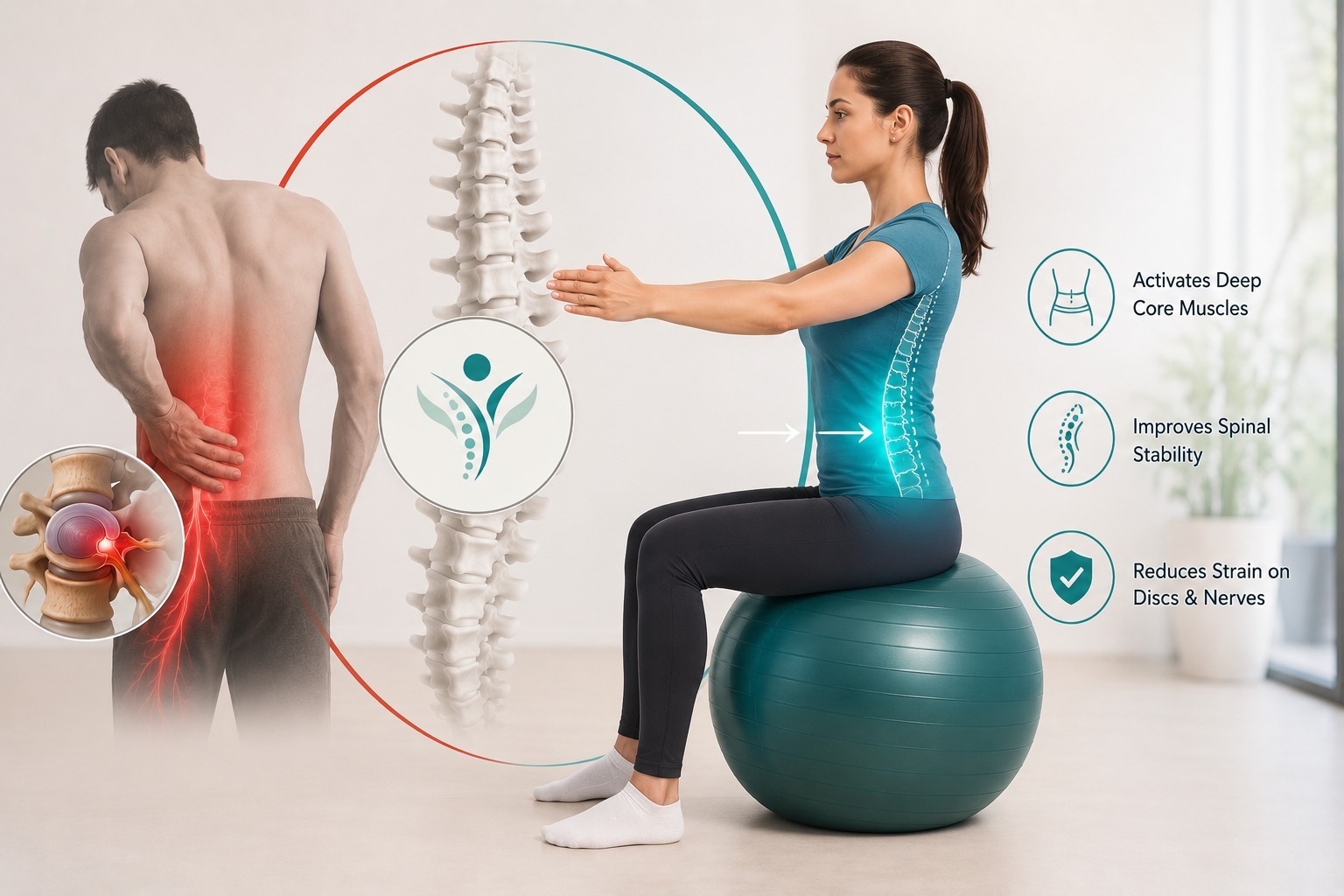
Your spine is stabilized by a deep group of muscles known as the core, which
includes:
• Transverse abdominis
• Multifidus
• Diaphragm
• Pelvic floor
These muscles act like a natural brace or bodyguard for your spine.
When this system is strong and well-coordinated, your spine remains stable,
protected, and efficient.
However, when the core becomes weak or inactive:
• Load on the intervertebral discs increases
• Risk of disc bulge or herniation rises
• Nerve irritation develops, leading to sciatica (pain, tingling, numbness in the
leg)
What Research Clearly Shows
Scientific studies on chronic low back pain patients have consistently found:
• Delayed activation of deep core muscles
• Reduced endurance of spinal stabilizers
• Poor neuromuscular control
This results in spinal instability, which is one of the most important causes of
persistent and recurring back pain.
Why Medications Alone Don’t Solve the Problem
Medications can:
• Reduce inflammation
• Provide temporary pain relief
But they do not correct the root cause—which is spinal instability.
That’s why many patients experience:
• Recurrent pain episodes
• Dependence on medicines
• Limited long-term improvement
A Common Mistake: Incorrect Core Exercises
Many people try to fix their back pain with exercises like:
• Planks
• Crunches
• General gym workouts
But here’s the concern:
• These exercises may increase disc pressure if done incorrectly
• They often do not activate deep stabilizing muscles
• Starting them too early can aggravate symptoms
Core rehabilitation is not about random exercises.
It must be a structured, progressive, and clinically guided program.
Mission Health Approach
Non-Surgical Advanced Slipped Disc Reversal Program
At Mission Health, the focus is not just on reducing pain—but on correcting the root
cause through a phase-wise rehabilitation approach:
1. Disc Reversal Phase
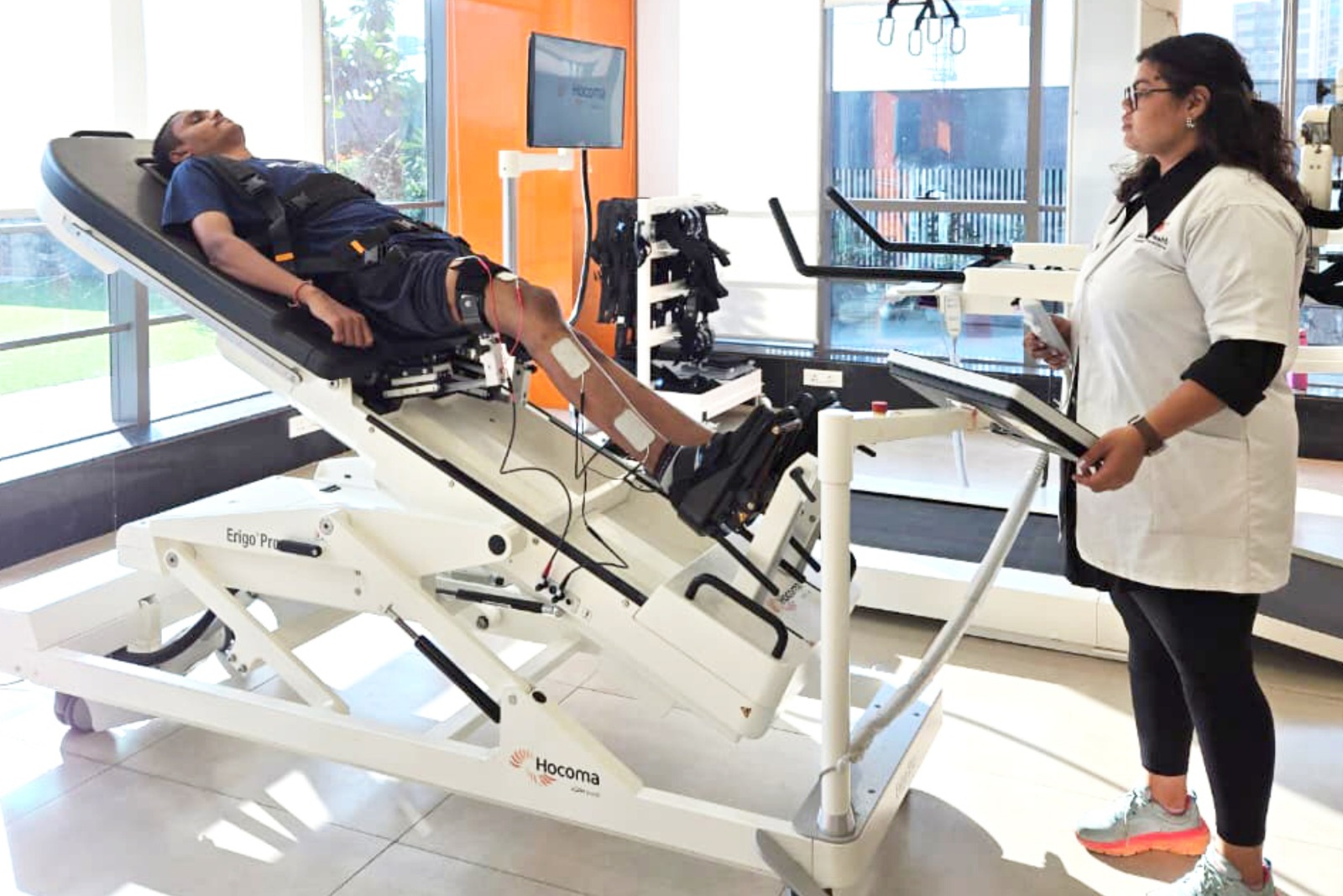
• Advanced non-surgical spinal decompression therapy
• Reduces disc pressure and supports healing
2. Pain Relief Phase
• Advanced bio-stimulation therapy
• Helps reduce inflammation and nerve irritation
3. Core Stability Phase
• Step-by-step activation of deep core muscles
• Focus on spinal stability and control
4. Sustainability Phase
• Ergonomics education
• Functional movement training for daily life
What Changes with the Right Approach
When core rehabilitation is done correctly:
• Load on the spine reduces significantly
• Pain episodes become less frequent
• Movement becomes more confident and efficient
• Long-term recovery becomes achievable
Final Thought
Persistent back pain and sciatica are rarely just about the disc.
They are often a reflection of a deeper issue—lack of spinal stability due to a
weak or inactive core system.
Focusing only on pain relief may give temporary comfort.
But true recovery begins when you restore the strength and coordination of your
core.
Because in the end—
your spine doesn’t just need treatment… it needs protection.
And your core is its strongest bodyguard.
.
 Dr. Janardan Mishra
 Dr. Richa Ojha
 Dr. Disha Shah
 Dr. Bansari Patel