Reach Again: Robotic Arm Rehabilitation with Armeo®Spring at Mission Health
 By Dr. Disha Shah
 19 Oct, 2026
 By Dr. Disha Shah
19 Oct, 2026
After a Brain Stroke, Traumatic Brain Injury, Spinal Cord Injury or any other neurological disorders; the arm is often the part that takes the longest to come back.
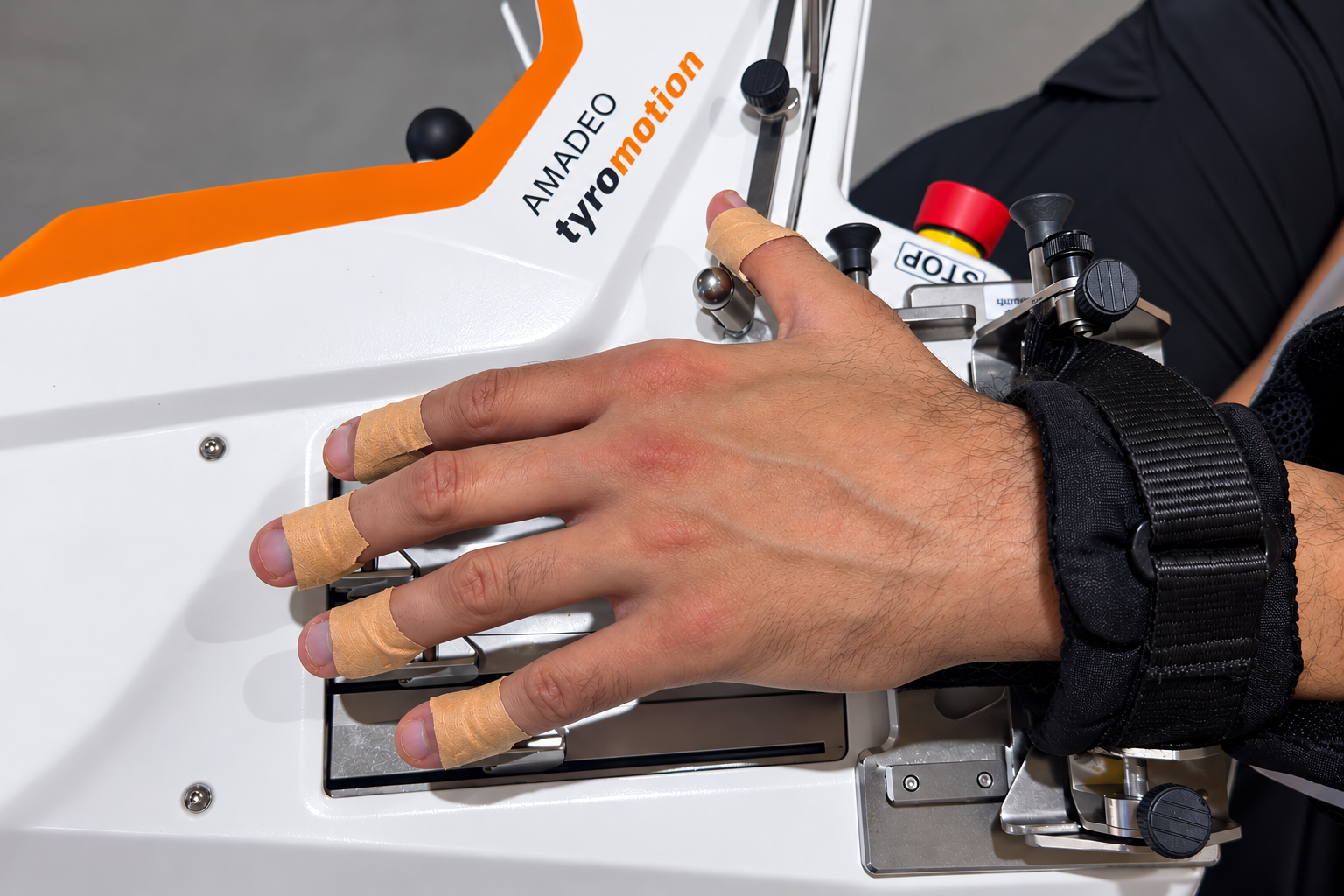
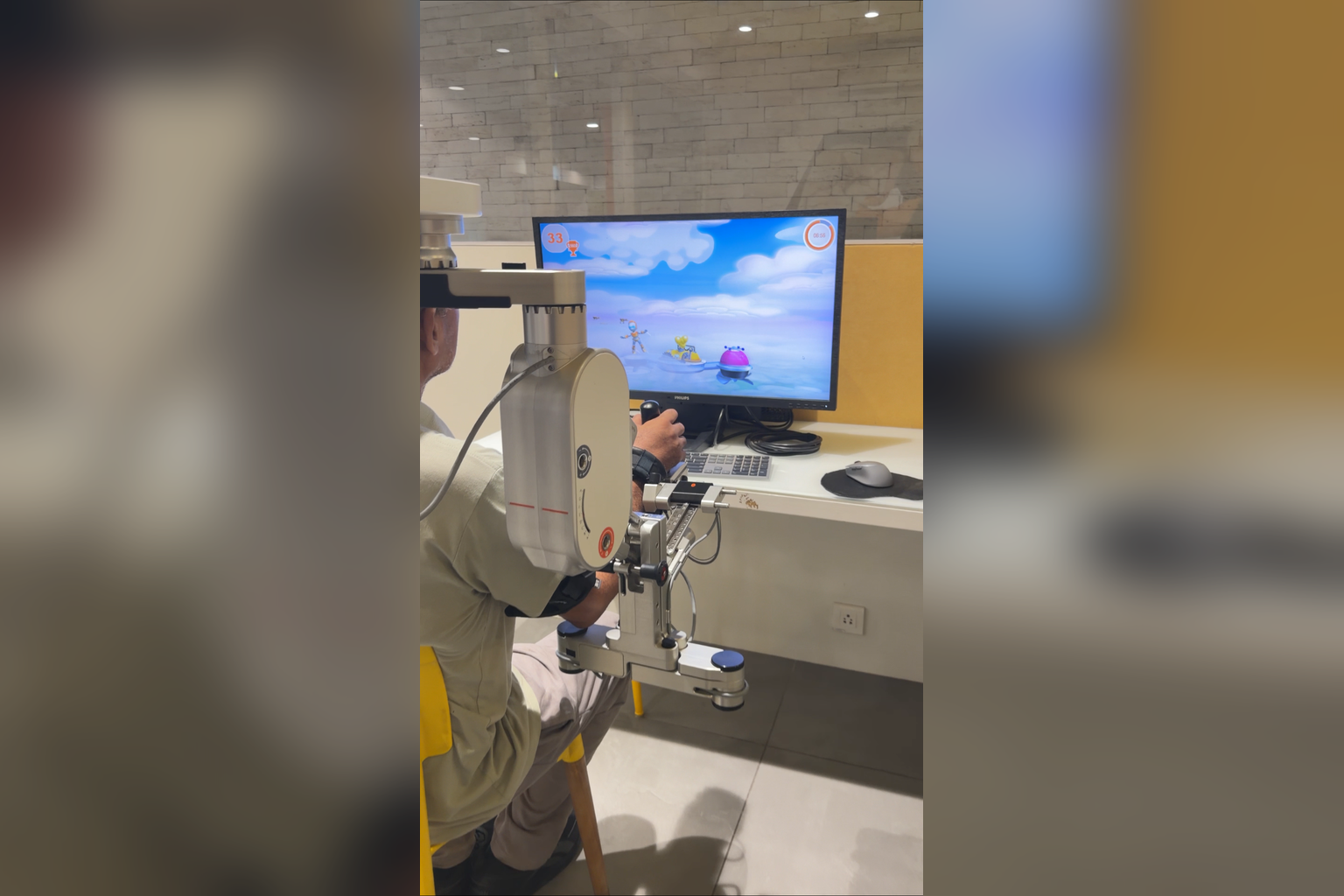
Armeo®Spring Pro is a rehabilitation robot built around that one idea. It is an arm exoskeleton connected to therapy software. The patient's arm rests in the device, which carries part of its weight and lets them reach through a large three-dimensional space while sensors record every movement and turn it into on-screen exercises.
It is Swiss manufacturer and Swiss engineered; designed for people whose arm or hand function is affected by neurological disorders.
C) What the evidence says, honestly
Robot-assisted arm training works best as an addition to therapy, not a replacement for it, and the results depend on who is trained and when.
The practical reading: timing, patient selection and dose matter. Armeo®Spring Pro has its clearest support in the early, subacute phase for patients with moderate to severe arm impairment, always alongside hands-on therapy and everyday task practice.
At Mission Health, Armeo®Spring is a part of a physiotherapist-led neuro rehabilitation programme, never a stand-alone session. It is used for patients with conditions such as Brain Stroke, Traumatic Brain Injury, Spinal Cord Injury Multiple Sclerosis or Cerebral Palsy, from those with partial arm control to those with paralysis and no active power, and suitability is always confirmed by assessment first.
If you know someone who has lost arm function after a neurological condition, ask whether robotic therapy is right for this stage of recovery. A neuro assessment at Mission Health is the place to start.

 Dr. Aalap Shah
 Dr. Bansari Patel
 Dr. Janardan Mishra

 Dr. Richa Ojha