BEYOND GENETICS: Exploring the Real Reasons Behind the Rise in Autoimmune Diseases
 By Dr. Richa Ojha
 10 Sep, 2026
  By Dr. Richa Ojha
10 Sep, 2026
By Dr. Richa Ojha
10 Sep, 2026
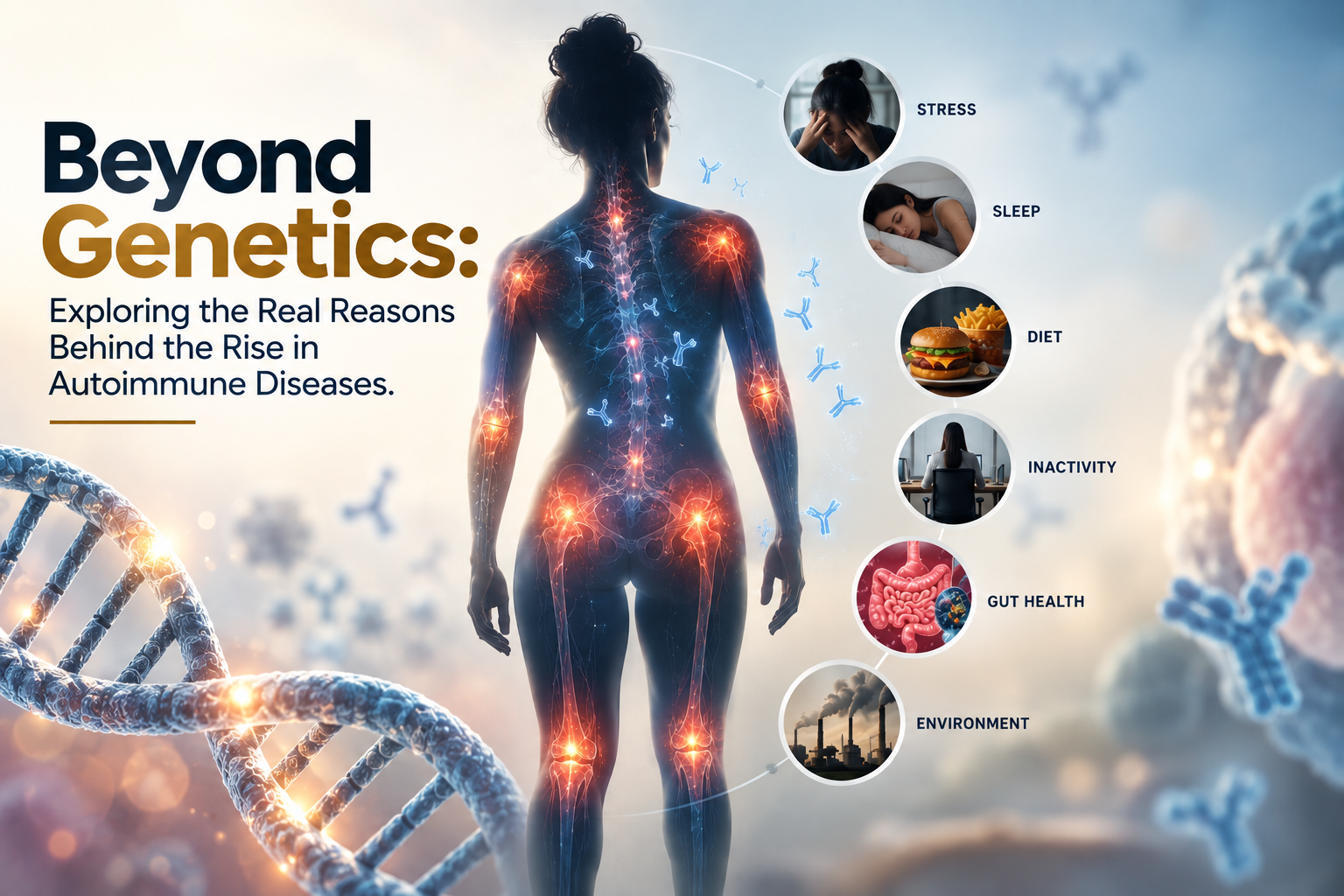
Autoimmune diseases are being diagnosed more frequently worldwide — including Rheumatoid Arthritis, Multiple Sclerosis, Hashimoto’s, Lupus, Psoriasis, IBD, Ankylosing Spondylitis and Type 1 Diabetes.
Why the rise?
Genetics matter, but growing evidence points toward the interaction between genes, environment and lifestyle.
The immune system normally protects us from harmful threats.
In autoimmune disease, it mistakenly attacks the body’s own tissues, reflecting a loss of immune tolerance and regulation.
Common targets include:
Joints — Rheumatoid Arthritis
Nervous system — Multiple Sclerosis
Thyroid — Hashimoto’s
Skin — Psoriasis
Intestines — Crohn’s & Ulcerative Colitis
Connective tissue — Lupus
Researchers increasingly view autoimmune disease as an interaction between genetic susceptibility + environmental triggers.
The growing burden of autoimmune disease highlights the need to look beyond symptom management alone.
A comprehensive approach should consider:
Nutrition • Sleep • Stress • Movement • Lifestyle • Mental Wellbeing • Functional Health
Because autoimmune conditions can affect multiple systems, effective care often requires early intervention and multidisciplinary collaboration.
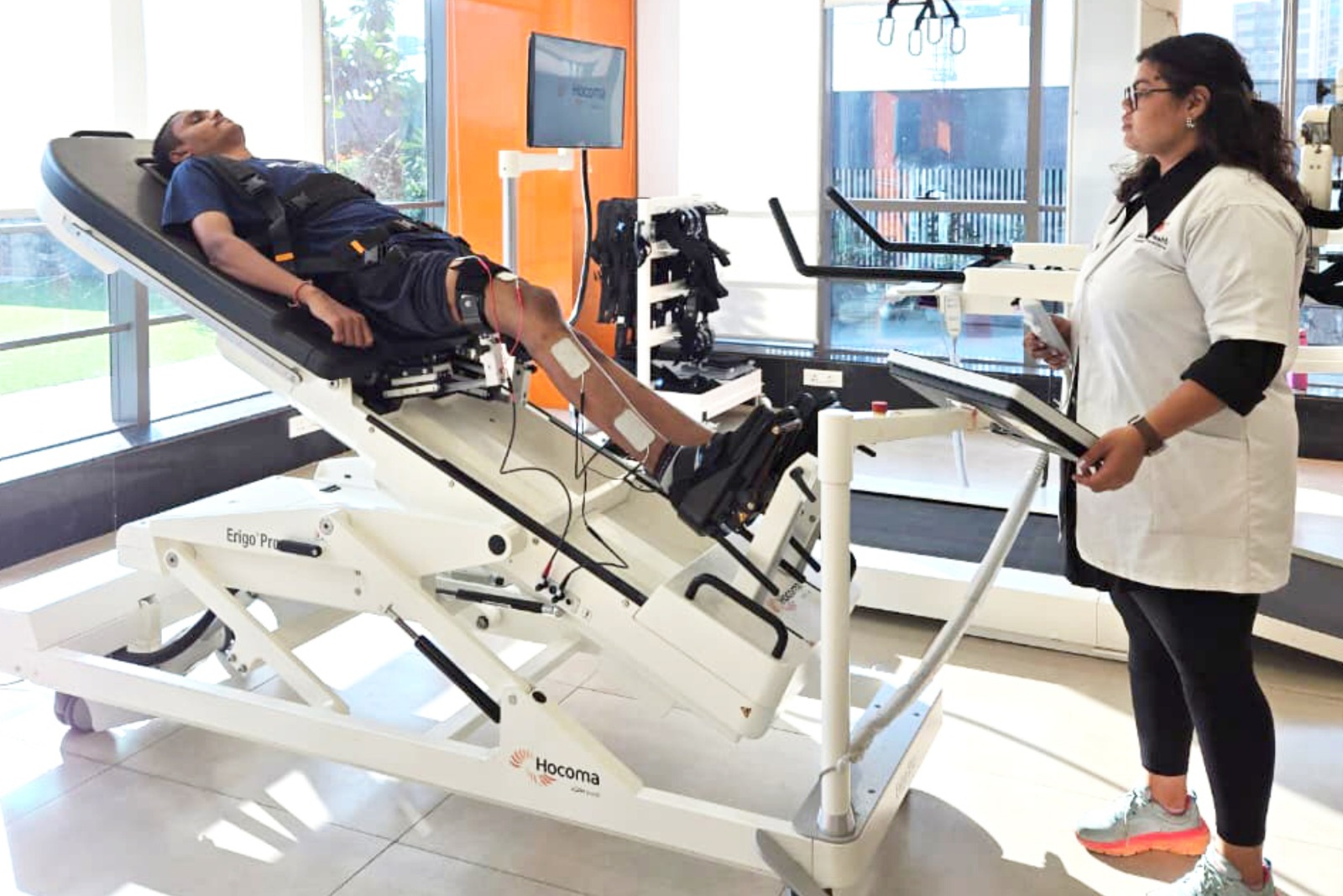
Physiotherapy is not limited to injuries and post-surgical rehabilitation.
People living with autoimmune conditions may experience:
Pain • Fatigue • Joint Stiffness • Muscle Weakness • Reduced Mobility • Balance Problems • Functional Limitations
Physiotherapy can help address these challenges through evidence-based exercise, movement strategies, functional rehabilitation, education, and graded physical activity.
The goal is not simply to reduce symptoms, but to help individuals maintain strength, mobility, independence, and quality of life.
Autoimmune diseases represent a growing and complex healthcare challenge.
While genetics influence susceptibility, understanding the role of stress, sleep, nutrition, movement, the microbiome, environmental exposures, and lifestyle may help us think more comprehensively about prevention and management.
By combining early intervention, movement-based rehabilitation, patient education, lifestyle modification, and collaborative care, healthcare professionals can help people with autoimmune disease remain active, independent, and engaged in meaningful lives.

.
 Dr. Janardan Mishra

 Dr. Disha Shah
 Dr. Bansari Patel


 Dr. Aalap Shah