Postnatal Physiotherapy: Helping Your Body Recover, Rebuild and Return to You
 By Dr. Richa Ojha
 01 Oct, 2026
  By Dr. Richa Ojha
01 Oct, 2026
By Dr. Richa Ojha
01 Oct, 2026
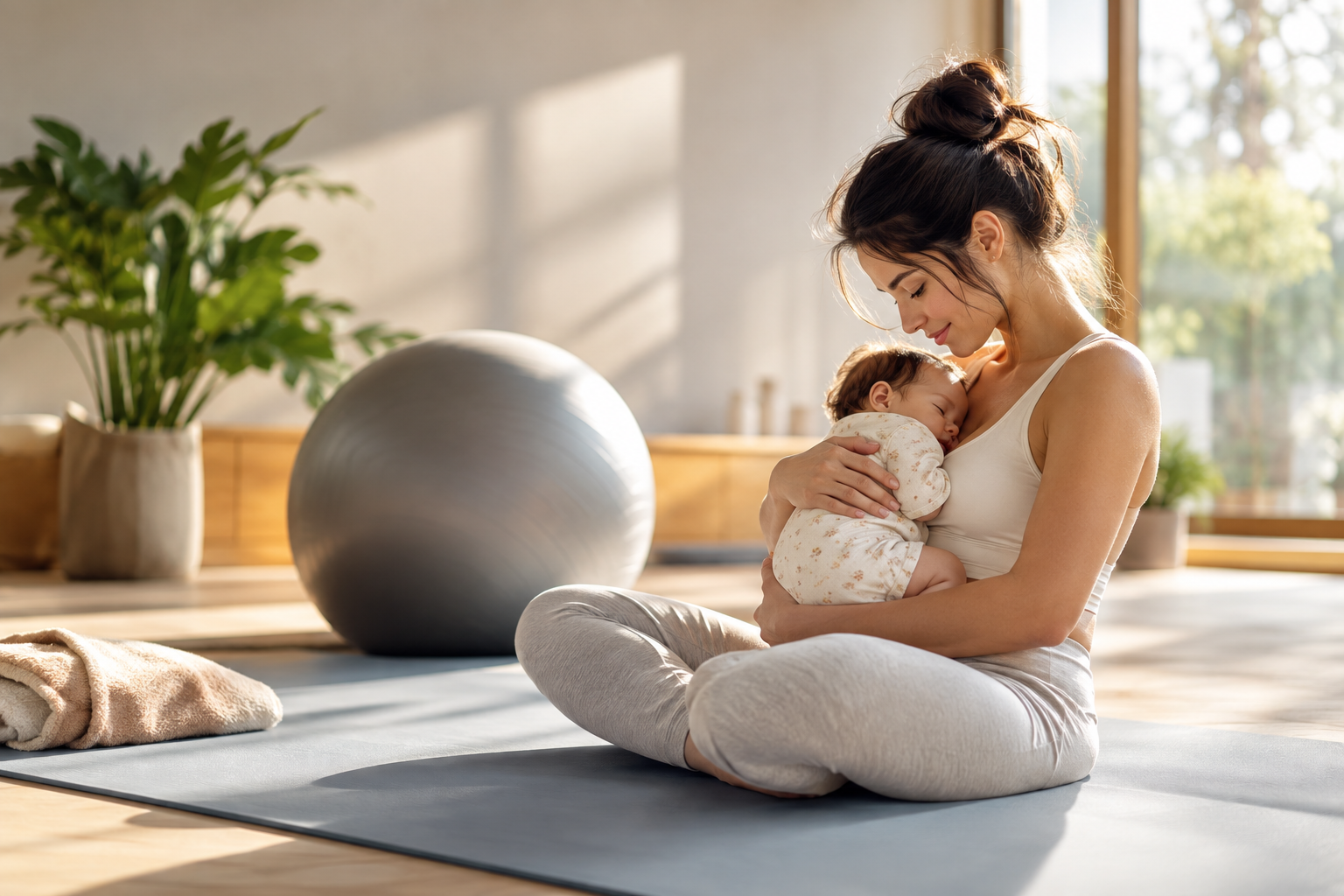
Back pain, pelvic discomfort, urinary leakage, abdominal weakness and difficulty returning to exercise can all occur during the postnatal period. While some changes are temporary, persistent symptoms should not simply be accepted as a normal part of motherhood. This is where postnatal physiotherapy can play an important role.
Depending on the mother’s needs, physiotherapy may focus on pelvic-floor rehabilitation, abdominal and core recovery, pain management, strength, posture, mobility and a gradual return to exercise.
The goal isn't to rush the body back to where it was before pregnancy.
The goal is to help it become strong, capable and confident again.
Common Postnatal Discomforts — And How Physiotherapy Helps
How physiotherapy helps: A physiotherapist can assess movement and identify contributing factors before using appropriate mobility exercises, strengthening, postural correction and manual therapy where indicated.
How physiotherapy helps: Pelvic-floor physiotherapy can assess whether the muscles are weak, poorly coordinated or unable to relax appropriately. Treatment may include individualised pelvic-floor muscle training, breathing and pressure-management strategies and biofeedback when appropriate.
How physiotherapy helps: Rather than focusing only on the appearance or size of the separation, rehabilitation looks at abdominal strength, coordination, breathing, pressure management and functional control, progressing exercises according to the individual's recovery.
How physiotherapy helps: Once medically appropriate, rehabilitation can include mobility, posture, progressive abdominal and whole-body strengthening, scar management where indicated and guidance for gradually returning to daily activities and exercise.
How physiotherapy helps: A personalised programme can gradually progress from basic movement and strength to endurance, resistance training and eventually higher-impact or sport-specific activity, depending on the individual's recovery and goals.
The aim is not simply to “start exercising again.” It is to build the capacity to exercise confidently.
How physiotherapy helps: Progressive strengthening, functional movement training and activity guidance can help rebuild physical capacity for everyday tasks — from getting up and down, carrying the baby and climbing stairs to eventually returning to fitness and recreational activities.
There is no single recovery timeline for every mother. A woman recovering after an uncomplicated vaginal delivery may have very different needs from someone recovering from a Caesarean section, significant pelvic-floor symptoms, persistent pain or complications during pregnancy or delivery.
That is why postnatal physiotherapy should begin with an individual assessment rather than a standard list of exercises. Your programme may evolve as your body recovers:
Assess → Relieve → Restore → Strengthen → Progress
You don't necessarily need to wait until symptoms become severe. Consider an assessment if you experience:
Even when you feel relatively well, professional guidance can help you understand how to safely rebuild strength and physical capacity.
Your body has gone through pregnancy, childbirth and a major physical transition.
Recovery should not be about rushing back to your pre-pregnancy body or fitness level.
It should be about building a body that can move comfortably, manage daily demands, exercise safely and support you through the next phase of life.
At Mission Health, postnatal physiotherapy focuses on individual assessment and progressive rehabilitation, with programmes designed around the mother's symptoms, recovery stage and goals.

.
 Dr. Janardan Mishra
 Dr. Aalap Shah

 Dr. Bansari Patel
 Dr. Disha Shah