Varicose Veins: When Your Legs Feel Heavy, Aching & Tired
 By Dr. Aalap Shah
 04 Oct, 2026
  By Dr. Aalap Shah
04 Oct, 2026
By Dr. Aalap Shah
04 Oct, 2026
For many people, varicose veins are accompanied by aching, heaviness, swelling, tired legs, itching or discomfort, particularly after prolonged standing or sitting.
But why does this happen? And where can physiotherapy fit into the picture?
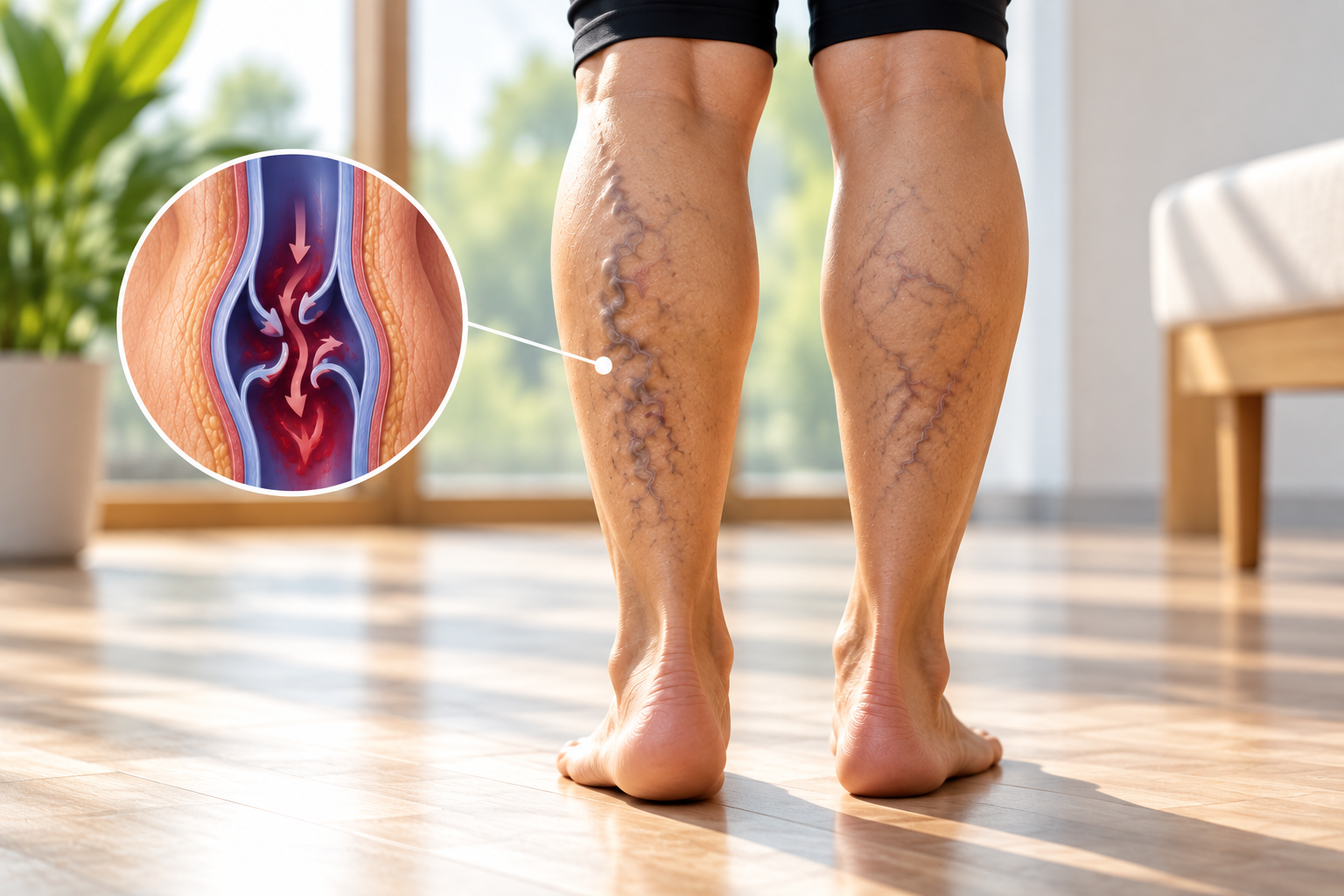
Veins in the legs have a difficult job: they have to return blood upwards, against gravity, towards the heart.
Inside healthy leg veins are small one-way valves that help keep blood moving in the right direction.
When these valves become weak or damaged, blood can flow backwards and pool in the lower limbs. This increases pressure within the veins and, over time, can cause them to become enlarged, twisted and visible beneath the skin.
This is known as venous reflux, and it is an important mechanism behind chronic venous disease and varicose veins.
Why Do Varicose Veins Develop?
There isn't always one single cause.
Several factors can contribute, including:
The calf muscles are particularly important because they act like a “second heart” for the legs — contracting during walking and ankle movement to help propel venous blood upwards.
When the calf-muscle pump is weak or underused, venous return can become less efficient.
What Do Varicose Veins Feel Like?
Varicose veins don't look the same or feel the same in everyone.
Common symptoms may include:
HEAVINESS — legs feel unusually heavy, especially later in the day.
ACHING — a dull ache that may worsen after prolonged standing.
SWELLING — particularly around the ankles and lower legs.
TIRED LEGS — a feeling of fatigue or discomfort after being on your feet.
ITCHING OR SKIN CHANGES — particularly around affected areas.
Some people have visible varicose veins with minimal symptoms, while others experience significant discomfort even when the visible changes appear limited.
So, Where Does Physiotherapy Come In?
Physiotherapy does not simply aim to “remove” the visible veins.
Instead, rehabilitation focuses on improving the functional factors that influence venous return and symptoms.
One of the most important targets is the calf-muscle pump.
A structured programme may include:
Mobility :- Ankle movement is closely linked to calf-pump function. Improving ankle mobility can support more efficient movement and muscle activation.
Progressive Strength Training :- Strengthening the calf and lower-limb muscles can improve the muscular contribution to venous return and help patients remain physically active.
Intermittent Pneumatic Compression (IPC) uses an inflatable garment around the limb that applies sequential pressure.
The changing pressure can assist venous and fluid movement in the lower limb and is one of the recognised compression modalities used in chronic venous disease.
At Mission Health, IPC is one of the circulation-support technologies available within our rehabilitation environment.
But technology is not the treatment by itself.
The important question is:
An appropriate programme may combine clinical assessment + movement + exercise + compression strategies + circulation-support technologies, depending on the individual's symptoms and clinical presentation.
Why Exercise Still Matters
One of the biggest misconceptions around varicose veins is that exercise should be avoided.
For many people with chronic venous disease, appropriate physical activity is actually an important part of management.
Research shows that exercise can improve calf-pump function, muscle strength and ankle range of motion, with additional benefits for symptoms and quality of life in some patients.
The key is appropriate exercise, not simply “more exercise.”
The programme should consider the person's symptoms, severity of venous disease, mobility, strength and other medical conditions.
A More Complete Approach at Mission Health
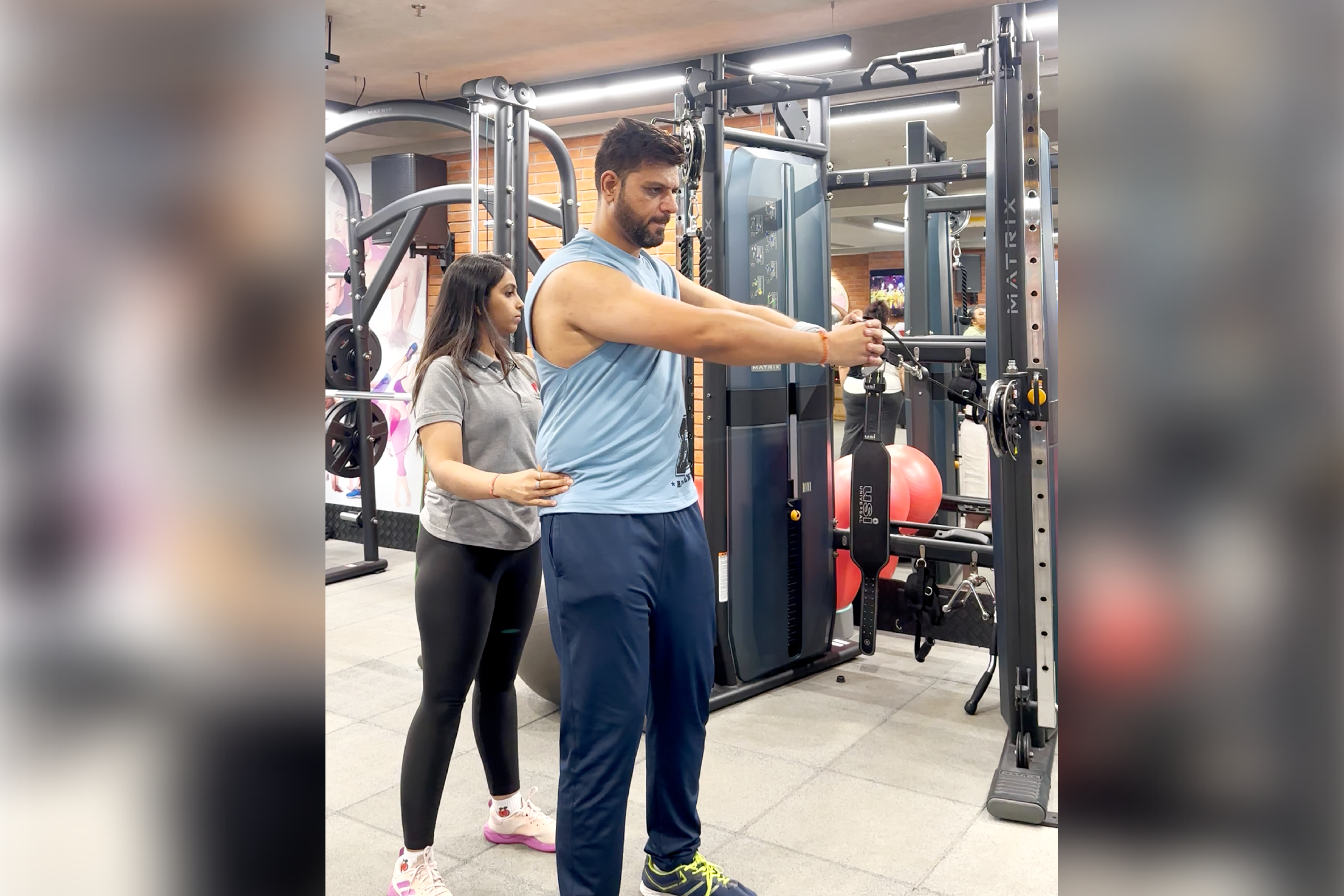
At Mission Health, our approach to varicose-vein and circulation-related concerns is not simply about using a machine.
It starts with understanding the person:
What are the symptoms?
How is the patient moving?
How well is the calf pump functioning?
Is there swelling?
What is limiting activity?
Does the patient require medical or vascular evaluation?
Based on the clinical picture, rehabilitation may incorporate:
Assessment
↓
Movement & Mobility
↓
Calf & Lower-Limb Strengthening
↓
Circulation-Support Technologies such as IPC, when appropriate
↓
Compression strategies, where indicated
↓
Progressive Exercise & Lifestyle Guidance
Because better circulation isn't simply about what happens during a treatment session.
If your legs regularly feel heavy, swollen, aching or unusually tired, don't dismiss it as something you simply have to live with.
Varicose veins can be part of a broader pattern of chronic venous disease — and understanding what's happening is the first step towards managing it appropriately.
At Mission Health, we combine physiotherapy, exercise-based rehabilitation and advanced circulation-support technologies to build an individualised approach around your needs.
.
 Dr. Janardan Mishra

 Dr. Richa Ojha

 Dr. Bansari Patel
 Dr. Disha Shah