That Tingling in Your Fingers Isn't "Just Tiredness" — It Could Be Carpal Tunnel Syndrome.
 By Dr. Richa Ojha
 06 Aug, 2026
  By Dr. Richa Ojha
06 Aug, 2026
By Dr. Richa Ojha
06 Aug, 2026
You're scrolling your phone before bed when your hand suddenly feels asleep — like a hundred tiny pins are dancing across your fingers. You shake it out. It passes. You forget about it.
A week later, you're pouring your morning coffee and the cup just... slips. Your grip isn't what it used to be, and you can't explain why.
Sound familiar? You're not imagining it, and you're definitely not alone. Carpal tunnel syndrome (CTS) is one of the most common nerve conditions out there — chances are, you already know someone who's dealt with it, even if they never talked about it. Millions of people live with these exact symptoms every single day, often dismissing them as "just stress" or "getting older," until the tingling turns into something they can't ignore.
Here's the thing: your hands are trying to tell you something. Let's talk about what's actually going on — and what you can do about it.
So, what exactly is happening there?
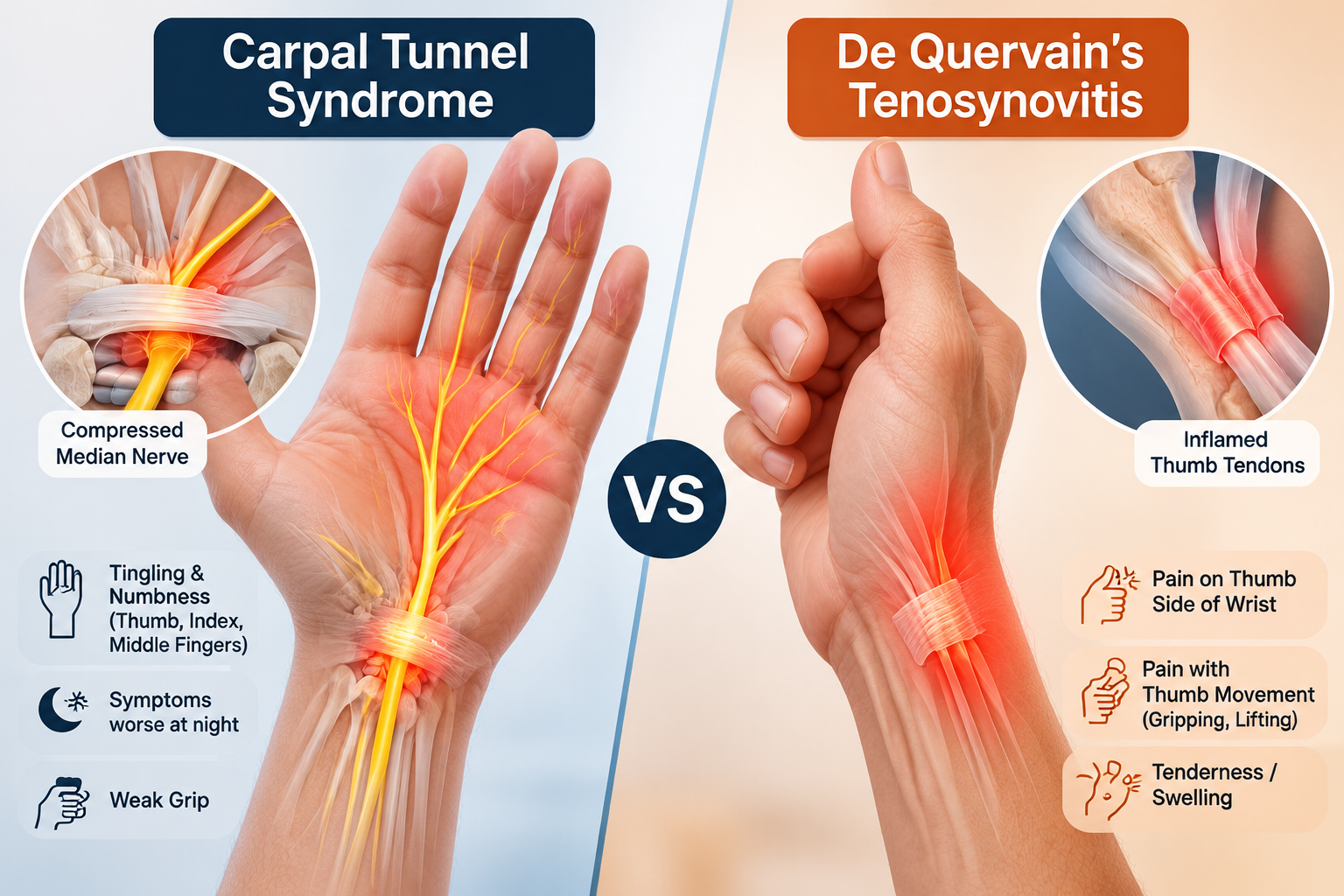
Picture a narrow tunnel on the palm side of your wrist, made of bone and ligament. Running through this tunnel is your median nerve — the one responsible for feeling and movement in your thumb, index finger, middle finger, and half your ring finger.
When the tissue around that tunnel swells or tightens, it squeezes the nerve. And a squeezed nerve doesn't stay quiet. It talks back in the form of:
• Numbness or tingling, especially in your thumb and first three fingers
• A burning or "electric" feeling that comes and goes
• A weaker grip — dropping your phone, your keys, or your coffee mug more than usual
• Nighttime symptoms that actually wake you up
• A dull ache that creeps up into your forearm
Wait — Is This My Fault?
Short answer: not really, and definitely not entirely.
Yes, repetitive hand movements — typing, scrolling, assembly-line work, playing an instrument, even a lot of texting — can contribute. But carpal tunnel syndrome is rarely about one habit. It's often a mix of things stacking up:
• Your natural anatomy — some wrists just have a tighter tunnel to begin with
• Other health conditions — diabetes, thyroid issues, and arthritis all raise your risk
• Pregnancy — fluid retention can put pressure on the nerve
• An old wrist injury that quietly changed the shape of things inside
•Daily household work — for homemakers, hours spent kneading dough, chopping vegetables, wringing out wet clothes, mopping, and rolling rotis involve the exact same repetitive wrist motions that put office workers at risk. It's one of the most overlooked causes, simply because this kind of work is rarely thought of as "strain."
So if you've been blaming yourself for "using your phone too much" — or telling yourself that housework "isn't that heavy," take a breath. It's usually bigger than that.
Why "Just Living With It" Isn't the Move
Here's the part nobody likes to hear: carpal tunnel syndrome doesn't stay the same size forever. It tends to grow — quietly, in the background — until numbness becomes constant, grip strength keeps slipping, and the muscle at the base of your thumb starts to visibly shrink. At that point, even surgery may not bring everything back.
The flip sides? Caught early, this is one of the most treatable nerve conditions there is. Which is exactly why that "annoying tingle" deserves more than a shrug.
How We Treat It at Mission Health
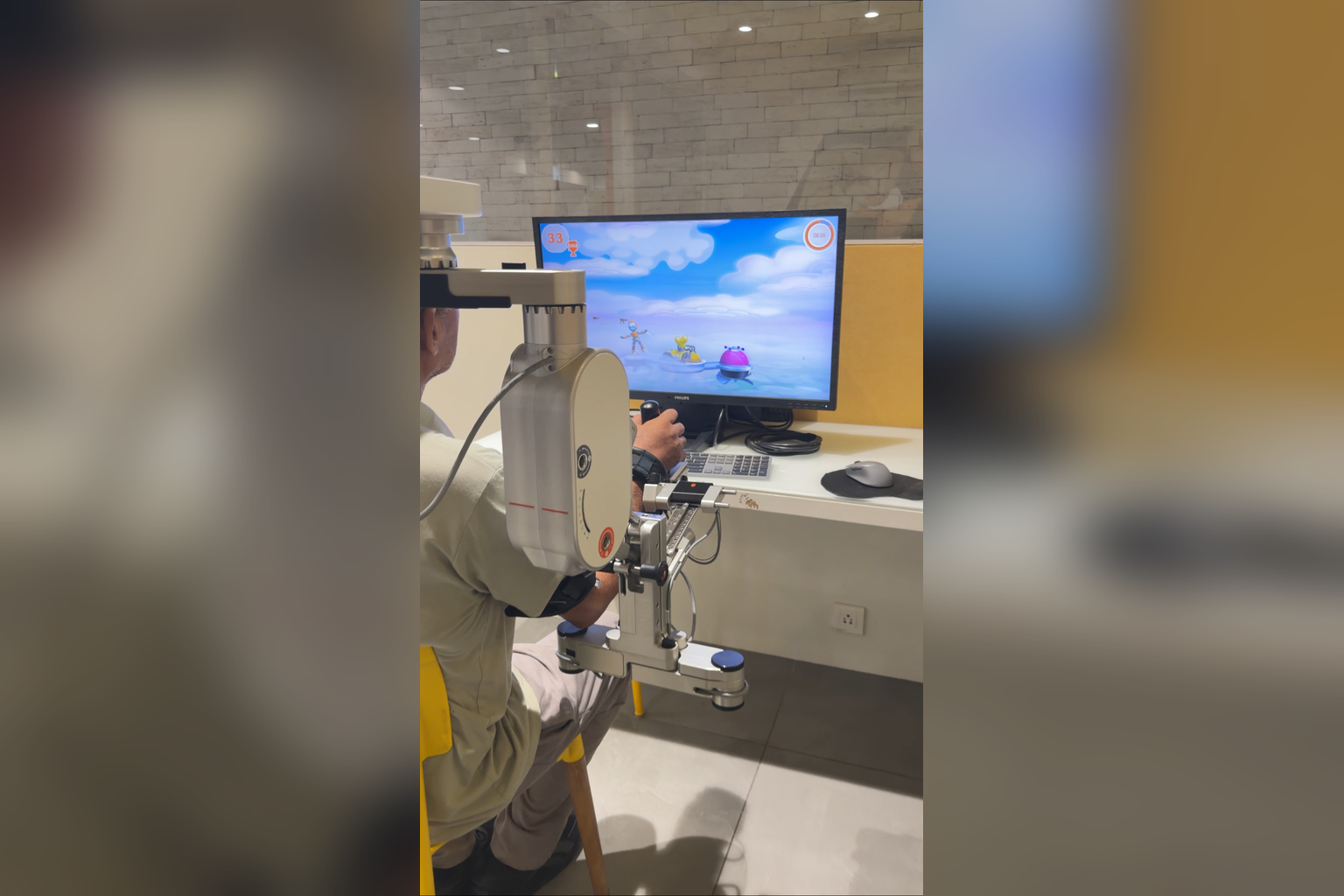
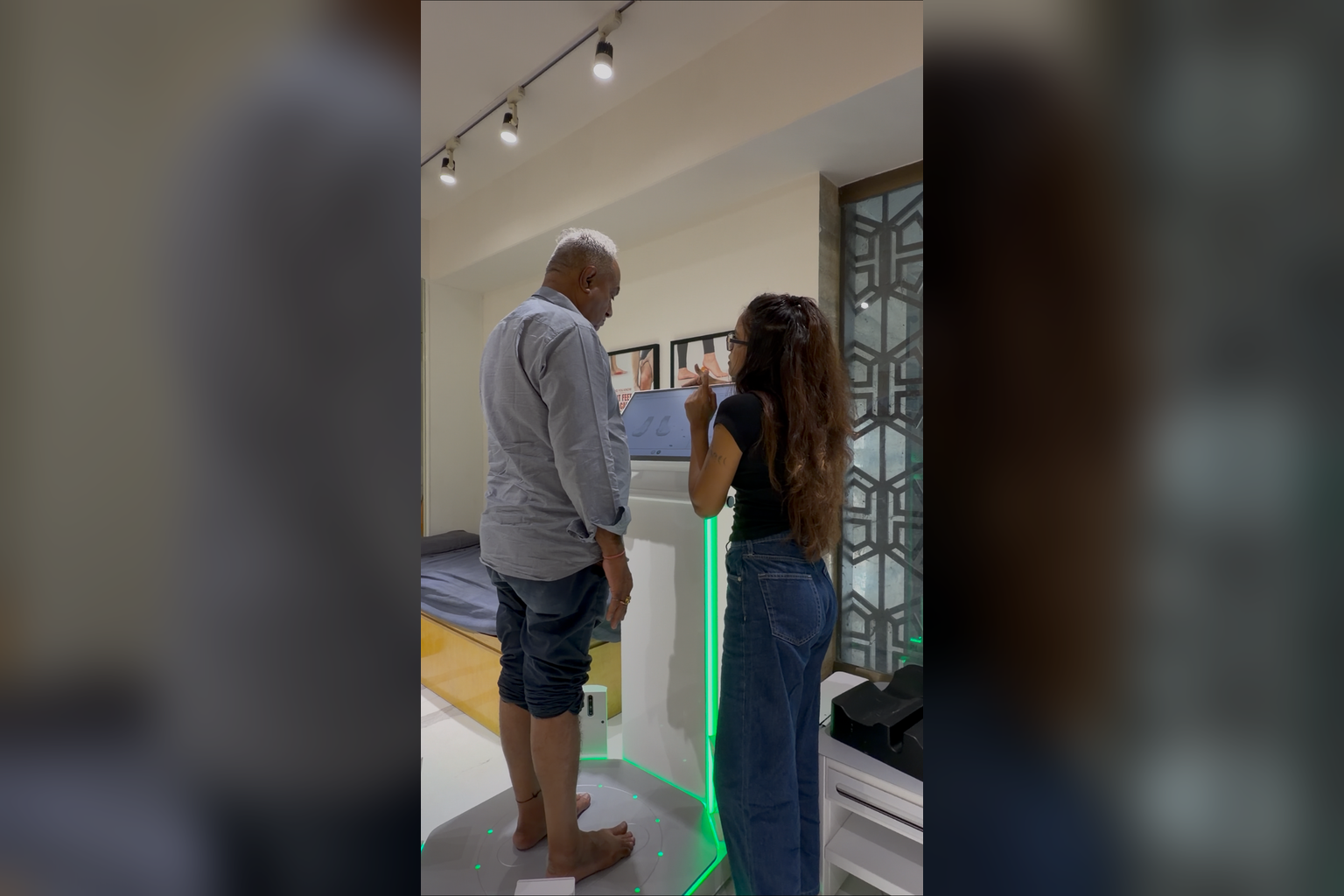
We don't believe in one generic fix for every hand. Our approach is built around actually restoring how your hand works — not just masking the symptom.
The Real Goal: Getting Your Hands Back
This isn't about chasing a diagnosis. It's about getting back to writing, cooking, working, playing with your kids, or holding your morning coffee without a second thought.
If any of this sounds like your mornings (or your 3 a.m. wake-up calls), don't wait for it to get louder. Come talk to us — the earlier we catch it, the easier it is to fix.


 Dr. Disha Shah
 Dr. Aalap Shah
 Dr. Bansari Patel
 Dr. Janardan Mishra